Explore
2,000+ places across 38 regions — search and filter to plan your trip.
26 places(showing 1–24)
Koyasan
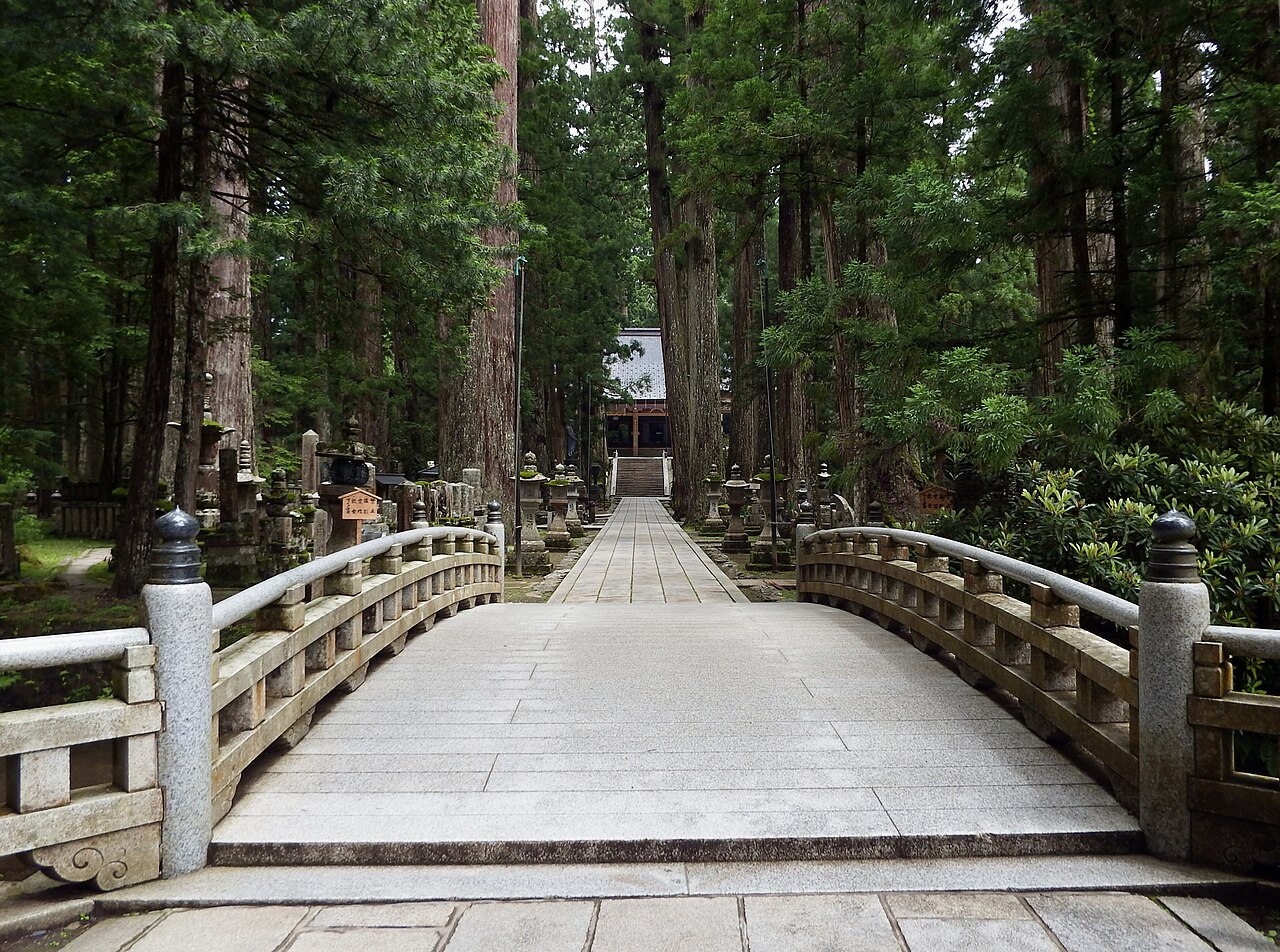
Japan's most atmospheric cemetery: a 2 km cedar avenue leading to the mausoleum of Kobo Daishi, still tended as if he only meditates.
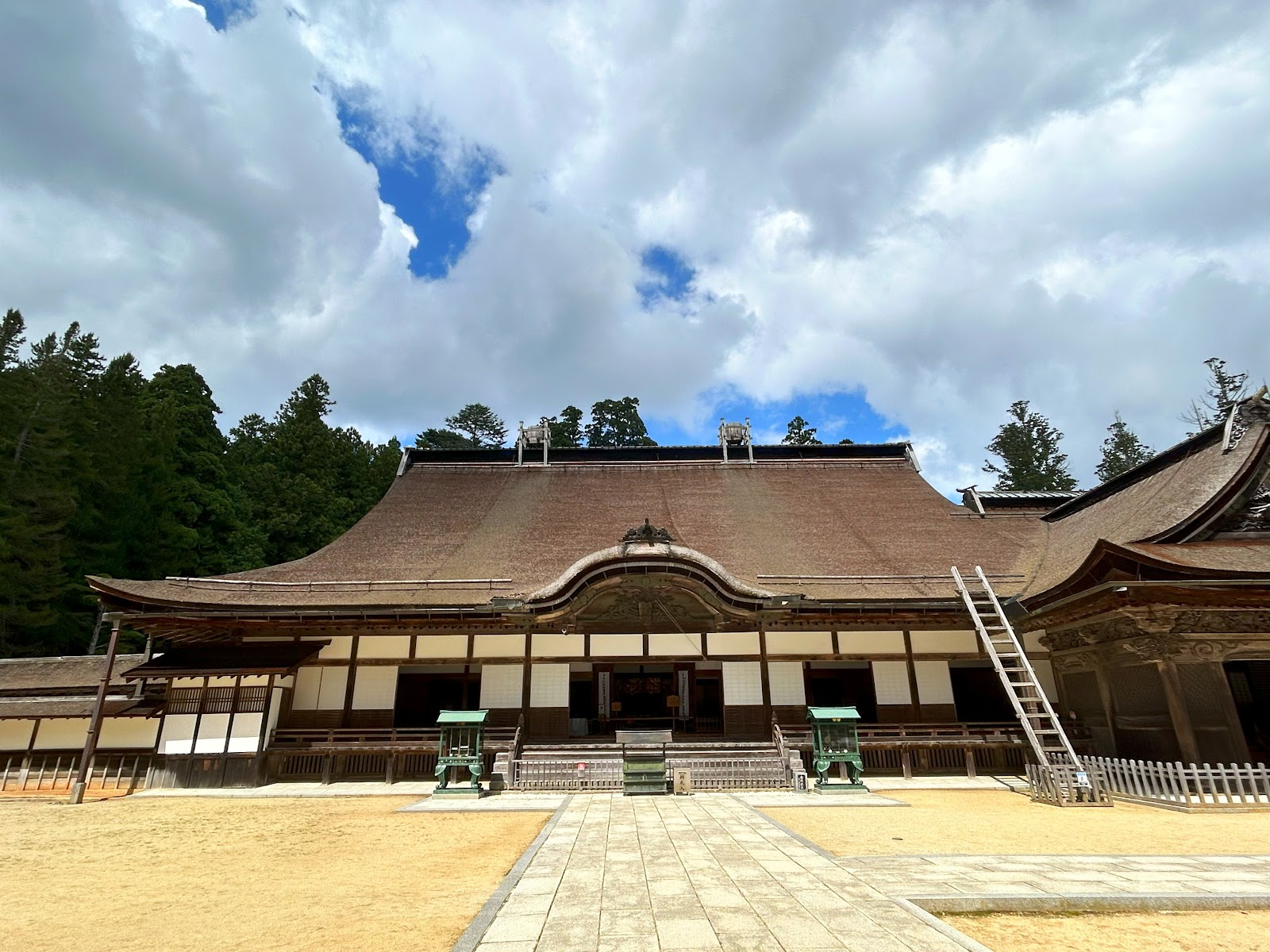
The head temple of Shingon Buddhism, famous for its painted sliding screens and Japan's largest rock garden, Banryutei.
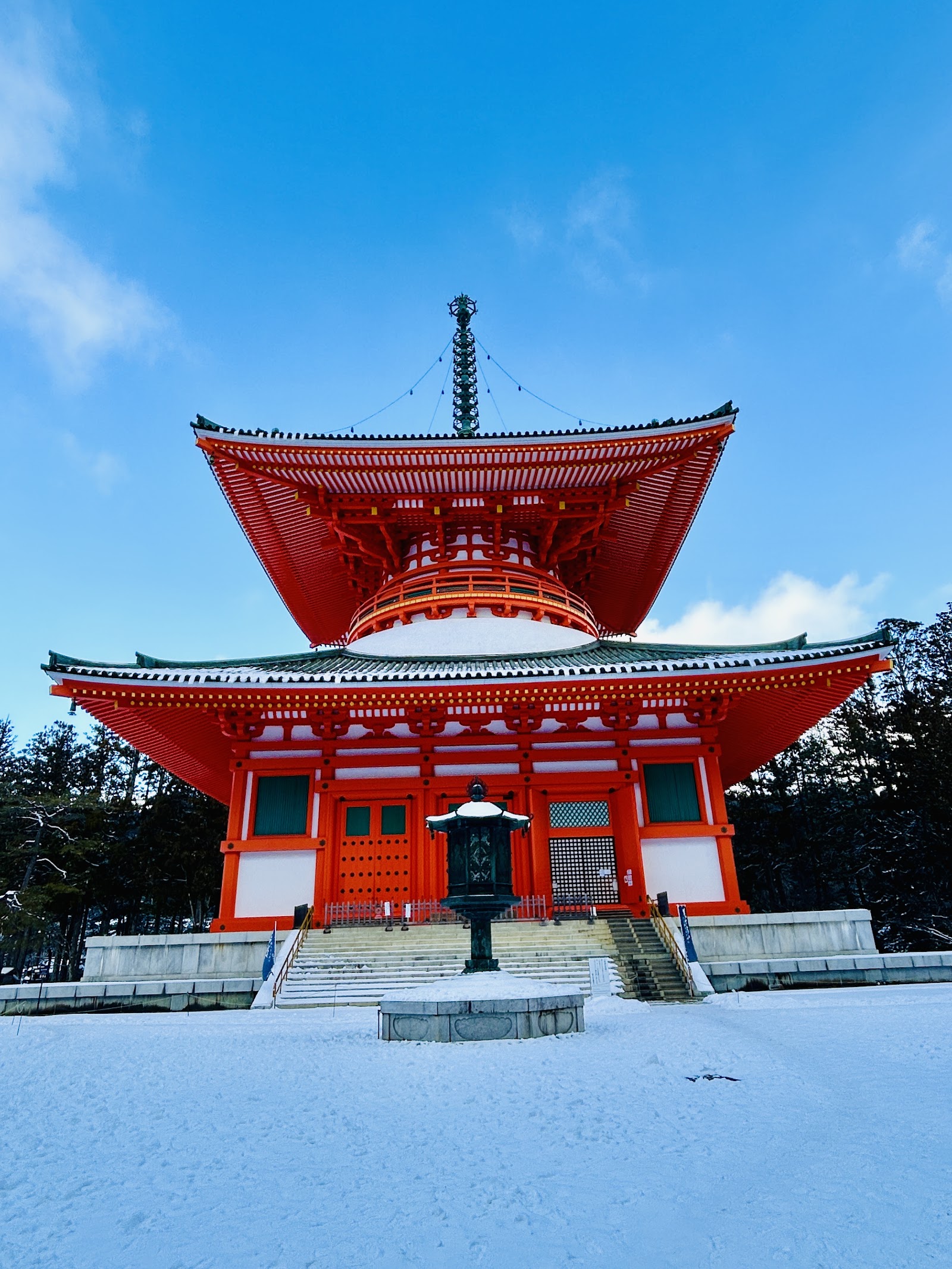
Koyasan's sacred central temple complex, crowned by the towering vermilion Konpon Daito pagoda that houses a three-dimensional mandala.
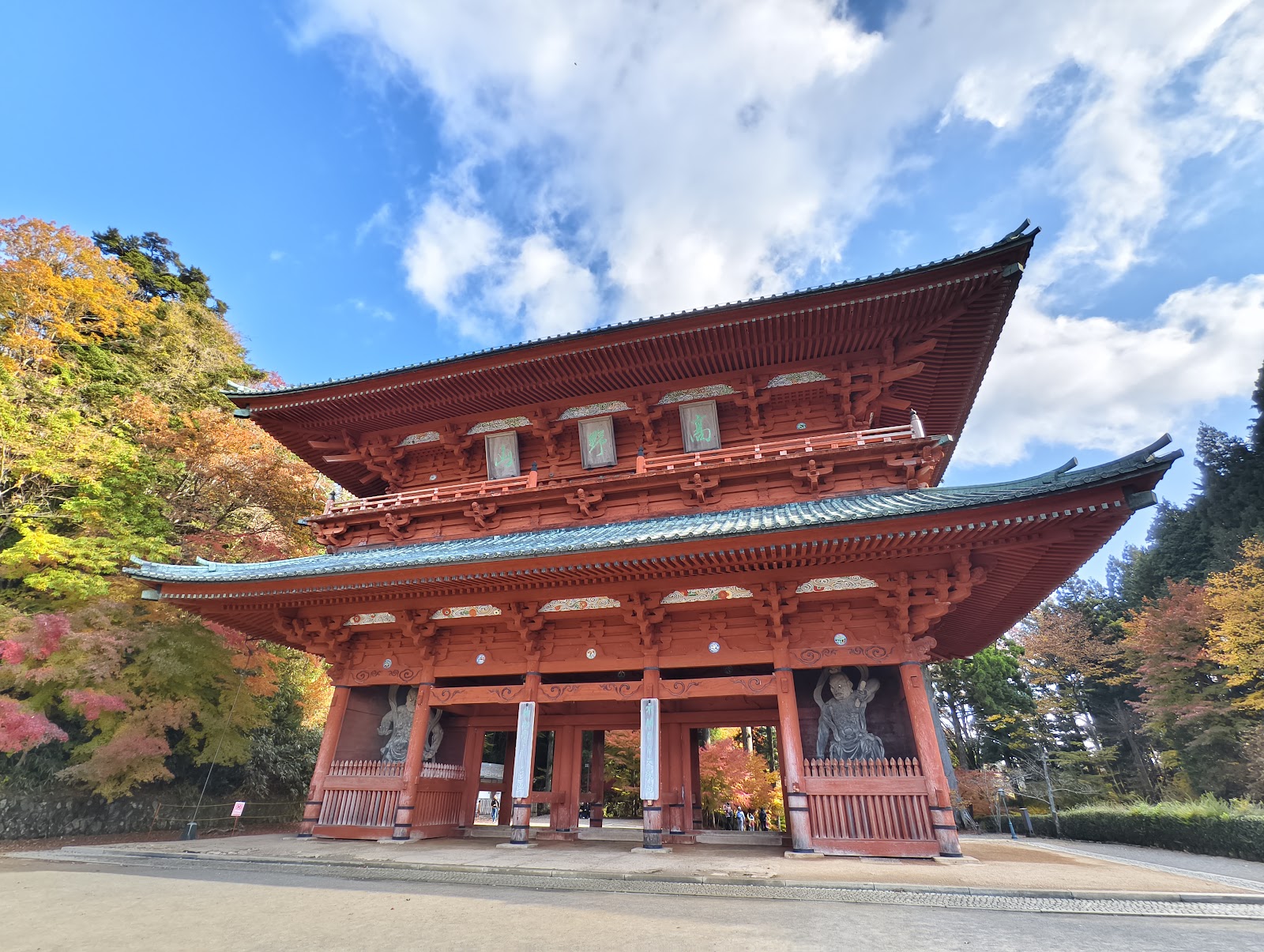
The towering vermilion great gate that has marked the sacred entrance to Mount Koya for pilgrims for over a thousand years.
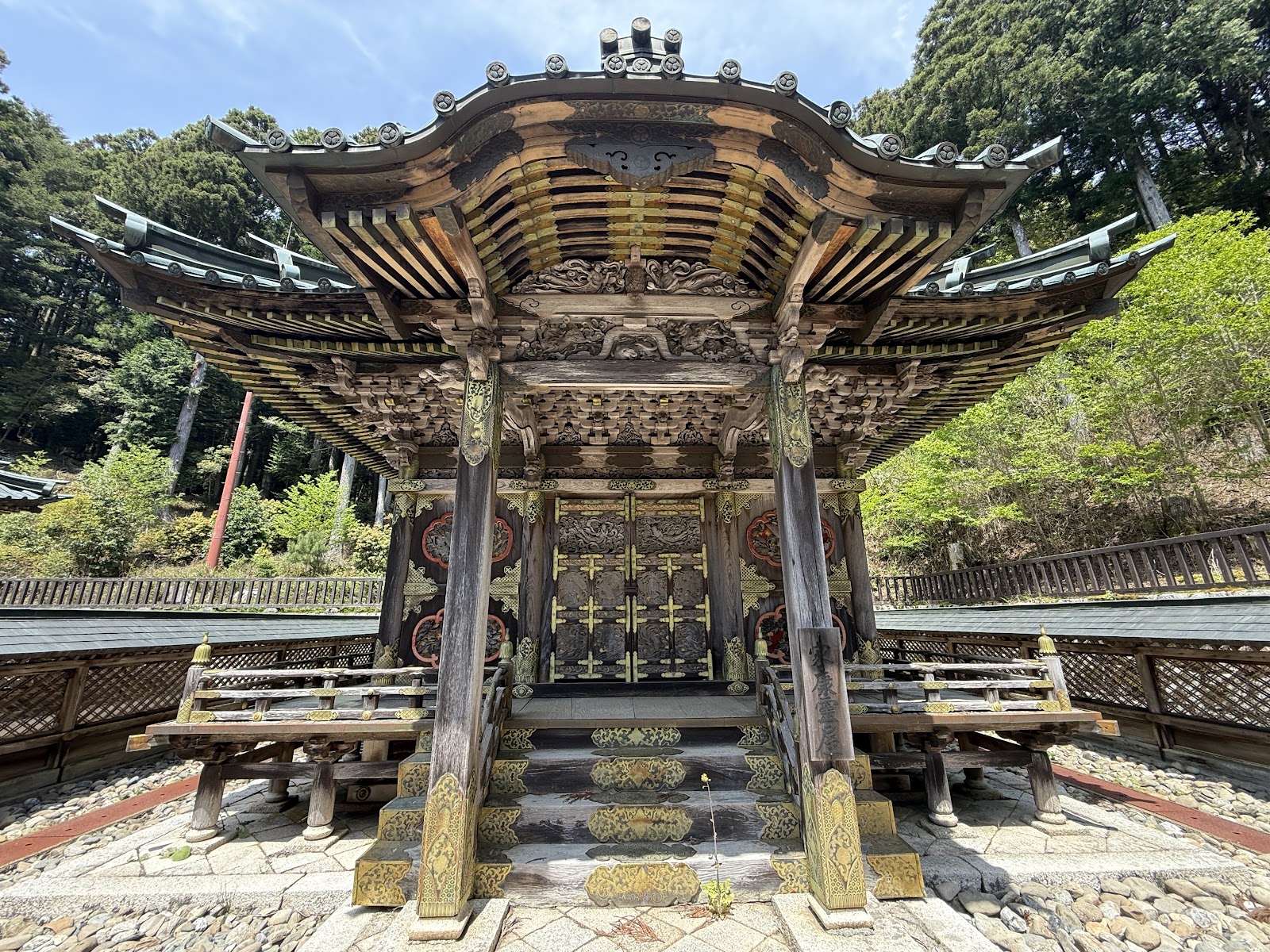
A pair of ornate mausolea enshrining the first two Tokugawa shoguns, richly carved and gilded in Edo-period style.
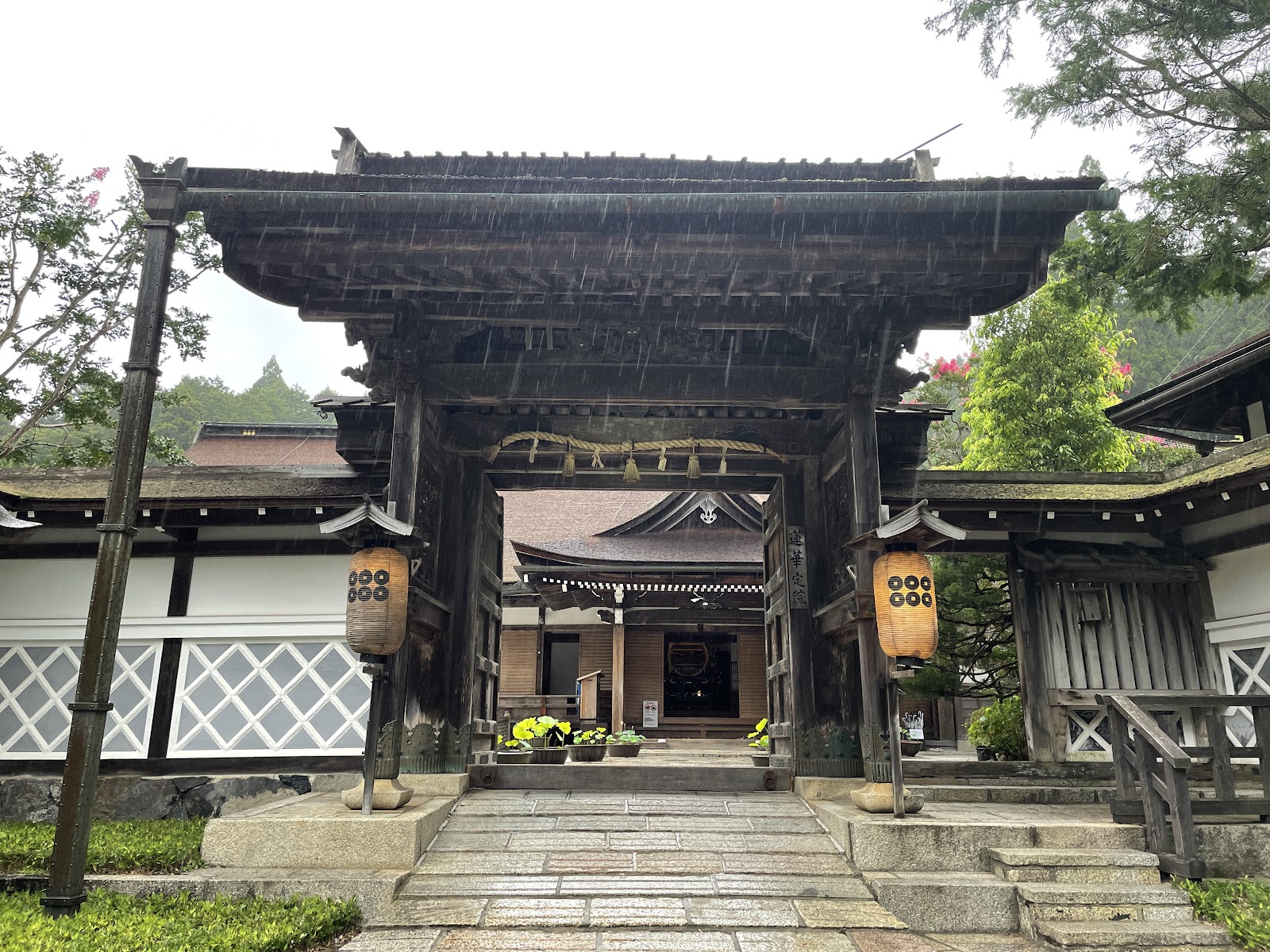
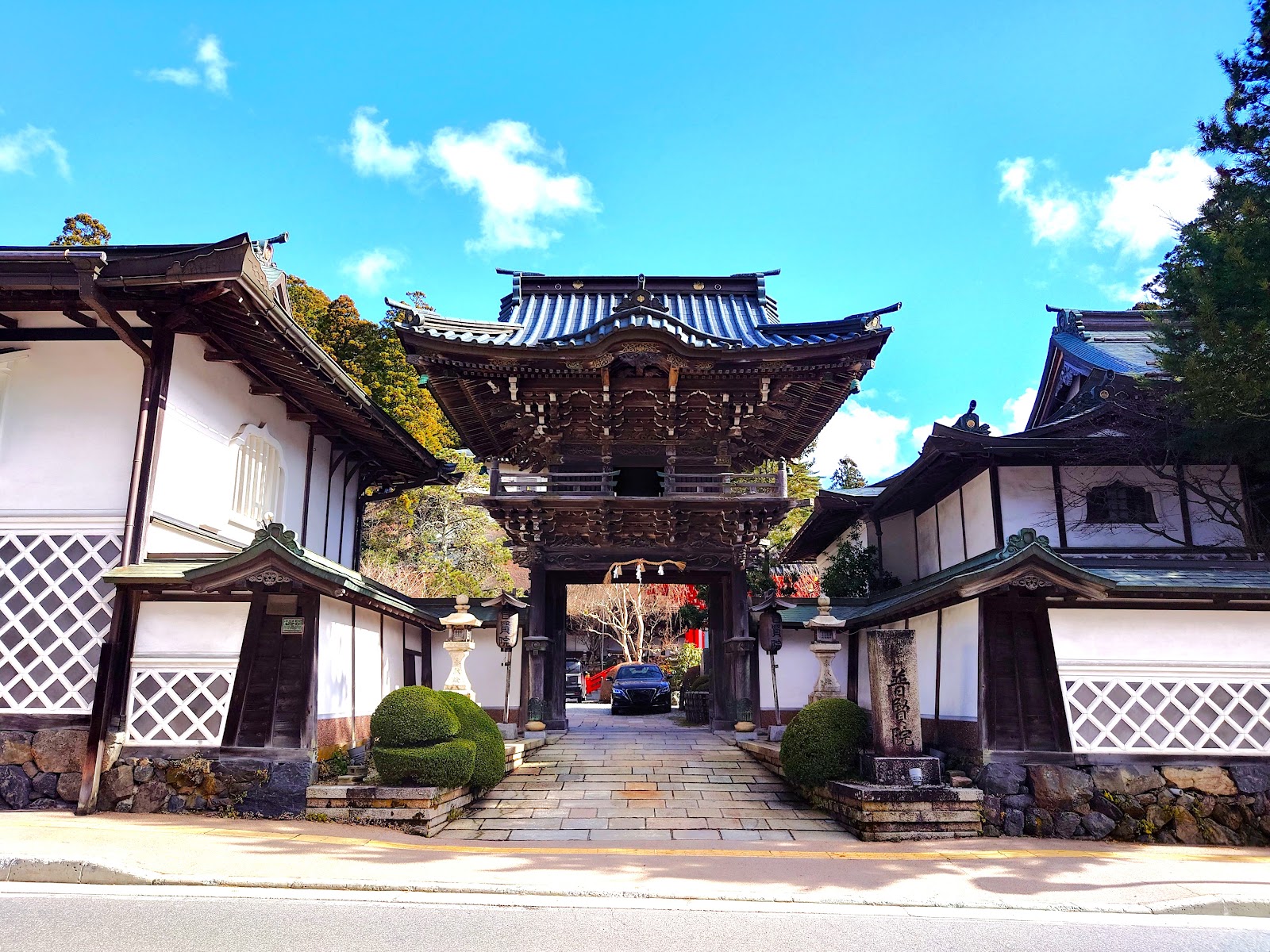
A thousand-year-old temple offering shukubo lodging, monk-cooked vegetarian meals and morning fire rituals near the Okunoin approach.
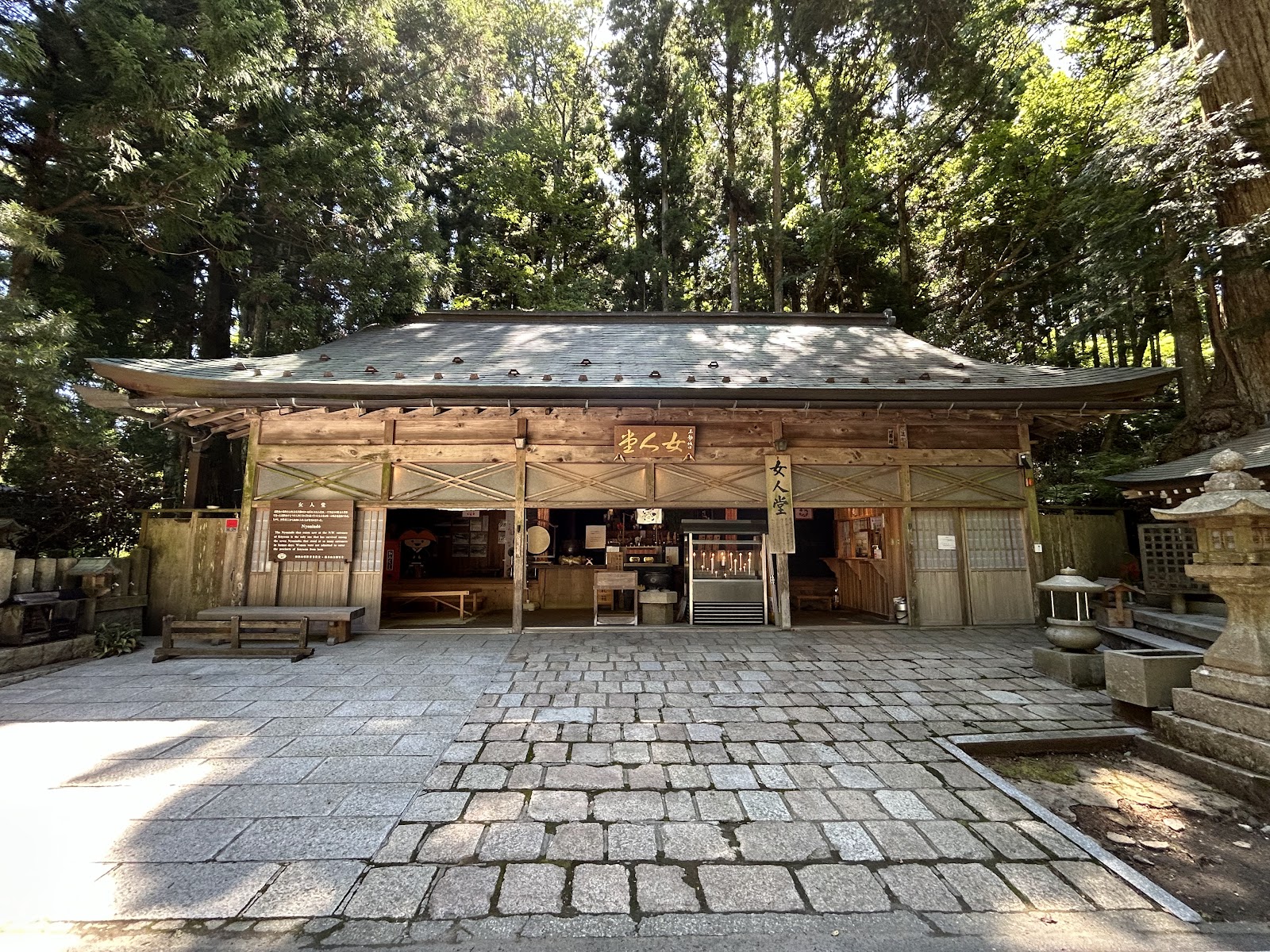
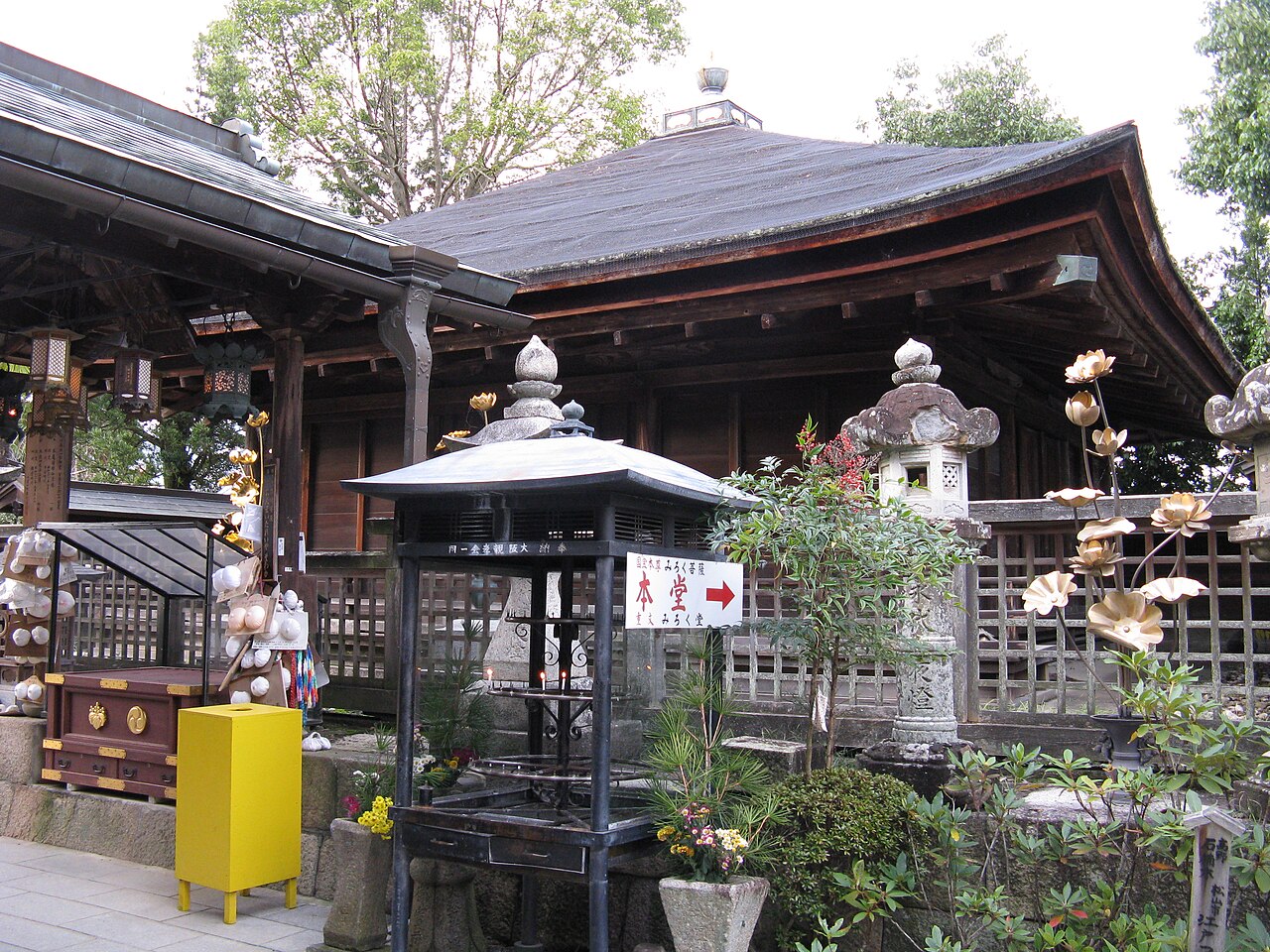
The last surviving women's hall, where women barred from the sacred mountain once worshipped from its edge.
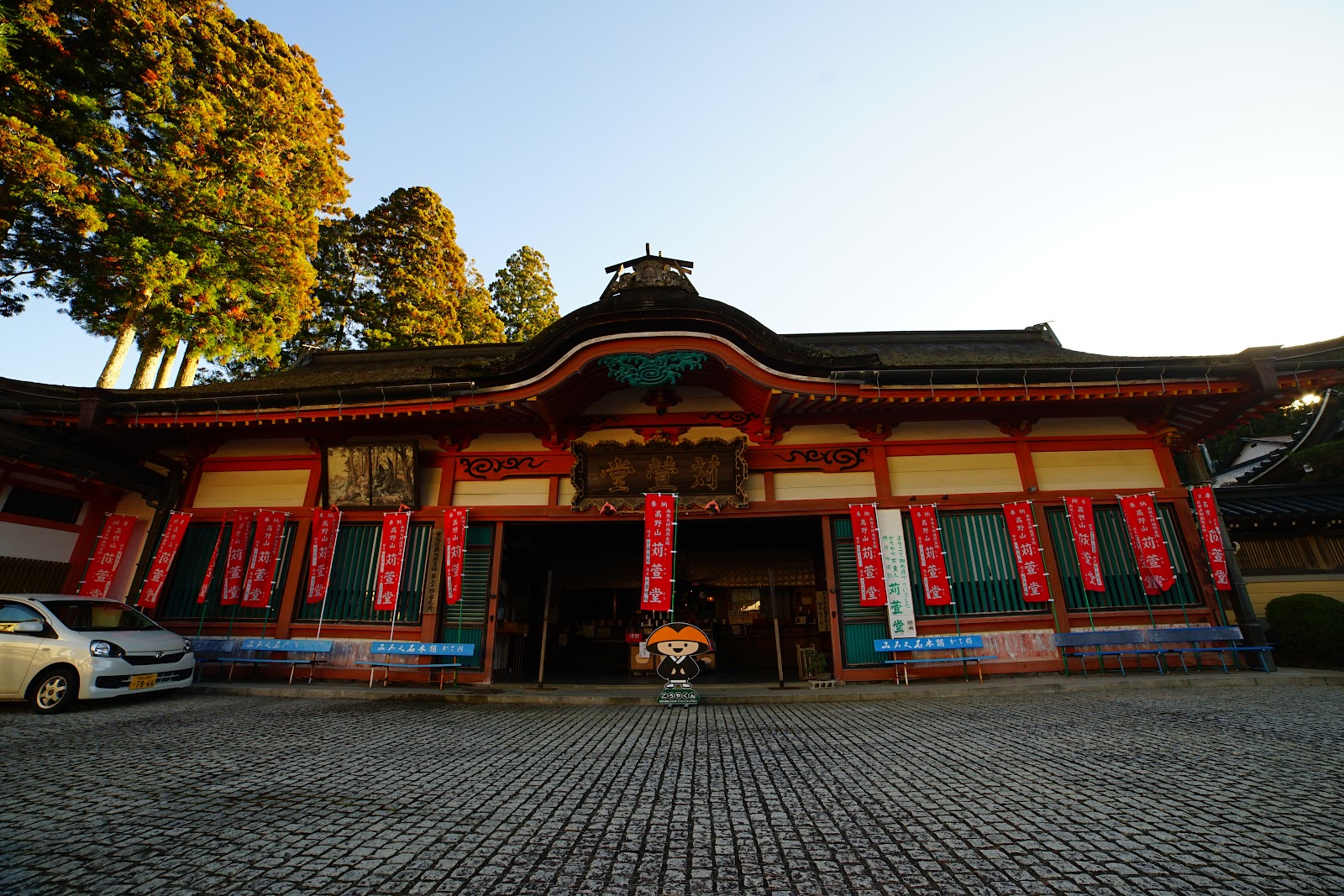
A small roadside temple famous for the tragic Karukaya legend of a father and son who served together as monks, unknown to each other.
A historic temple whose 13th-century tahoto pagoda is a National Treasure and one of Koyasan's oldest buildings.
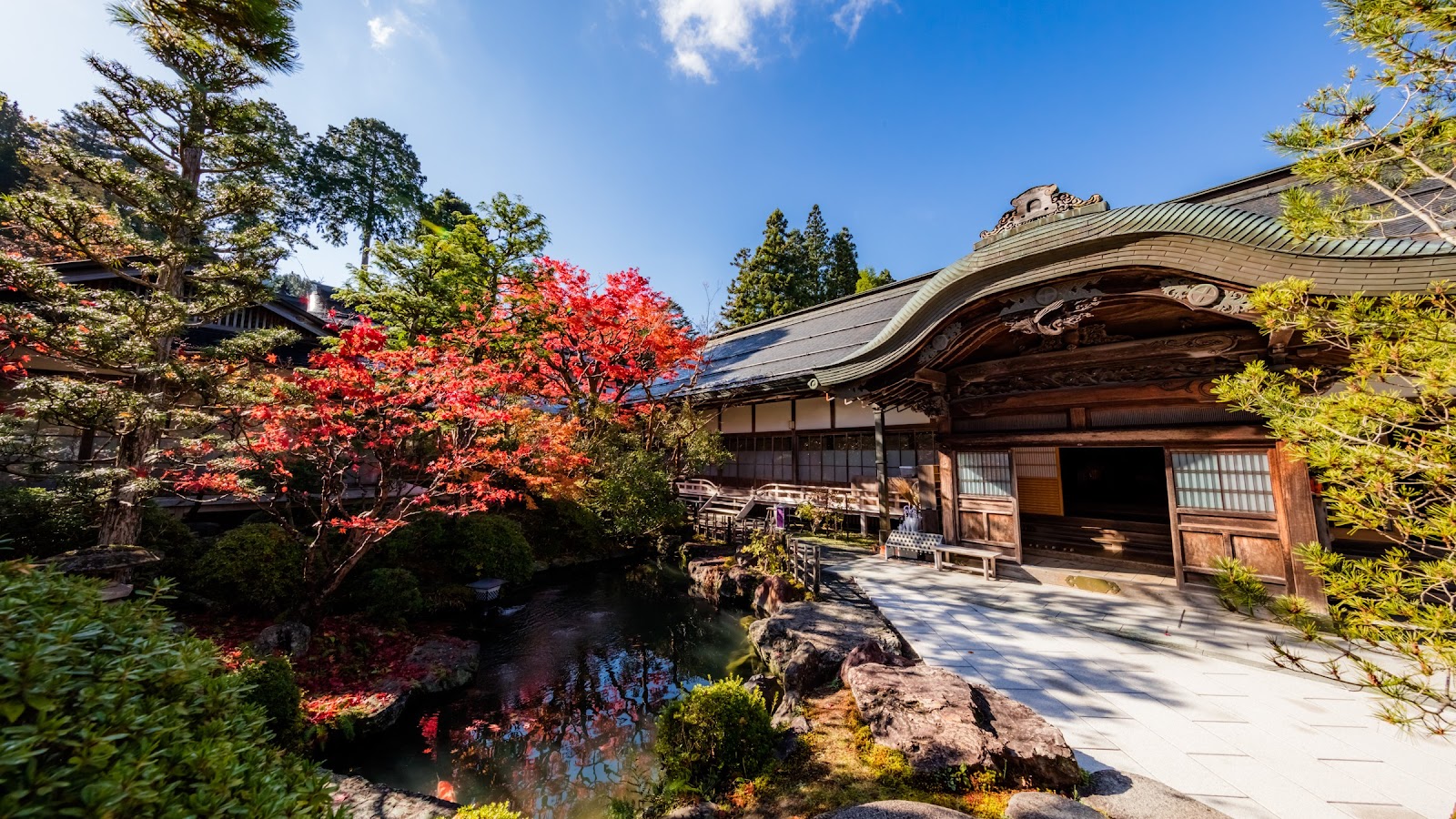
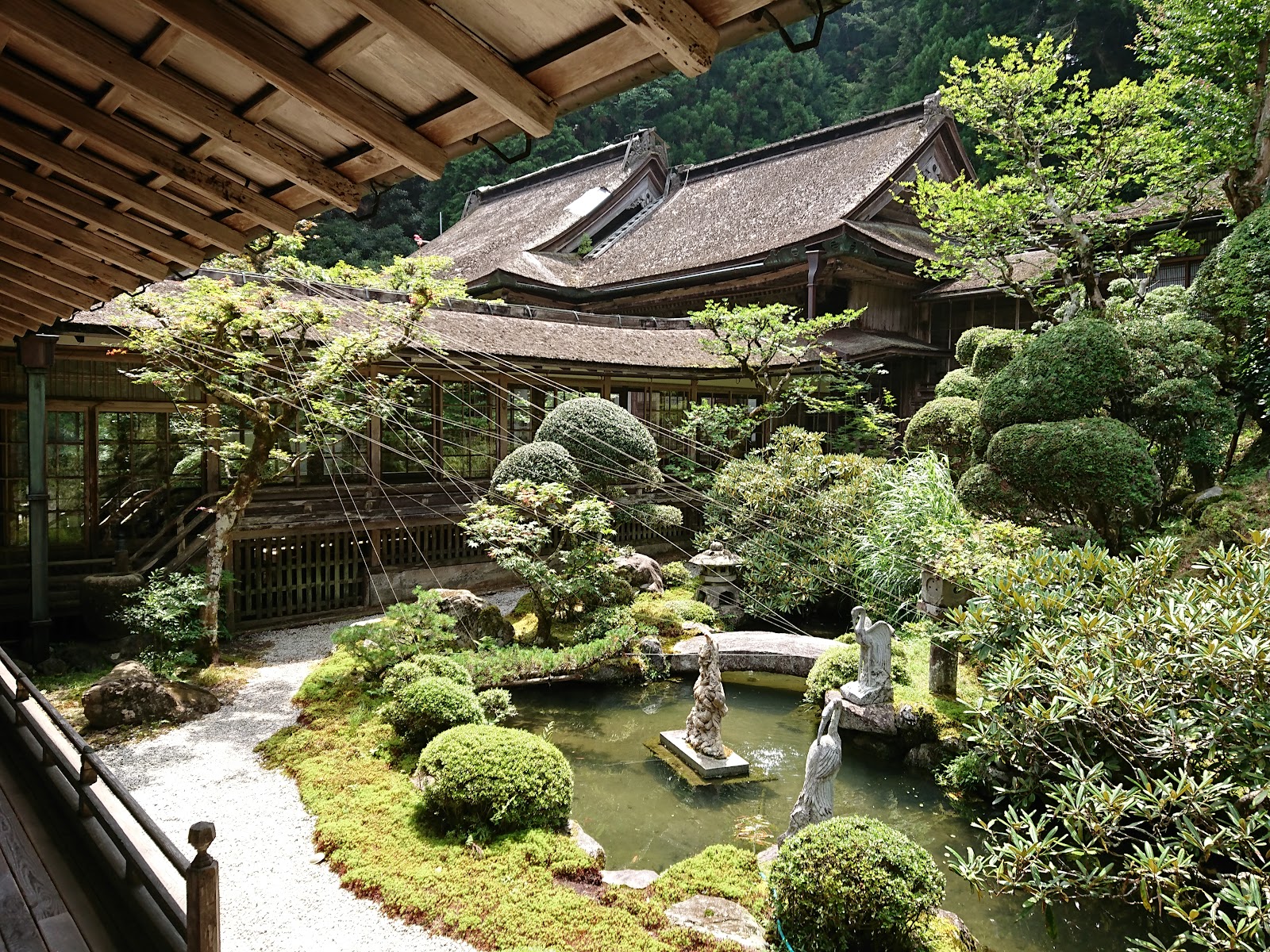
An elegant 800-year-old lodging temple known for its beautiful garden, refined vegetarian cuisine and English-speaking monks.
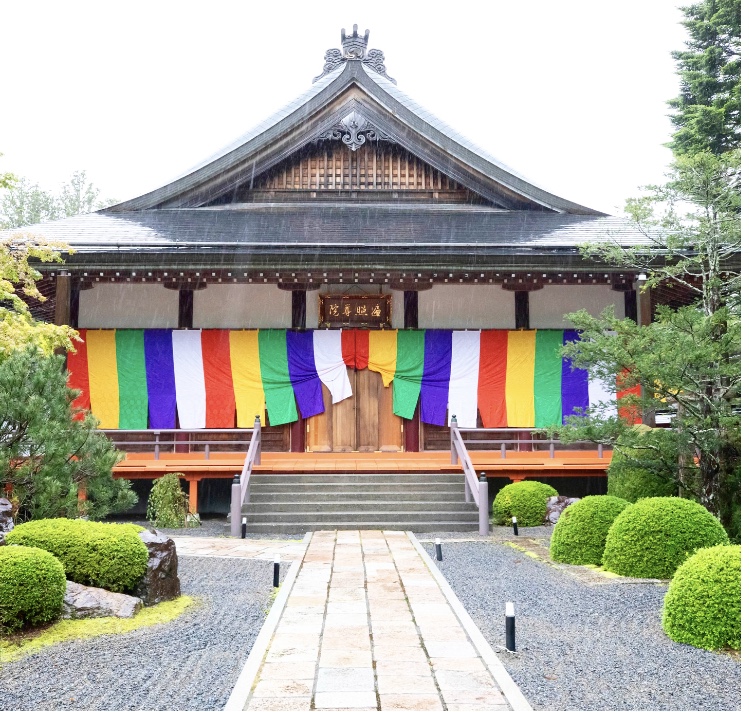
A historic central temple offering shukubo lodging and meditation, with deep roots in Koyasan's pilgrimage tradition.
The historic 23.5 km pilgrim path up to Mount Koya, marked by ancient stone pillars through cedar forest.
The 'women's pilgrimage' ridge trail encircling Koyasan, once walked by women barred from the sacred centre.
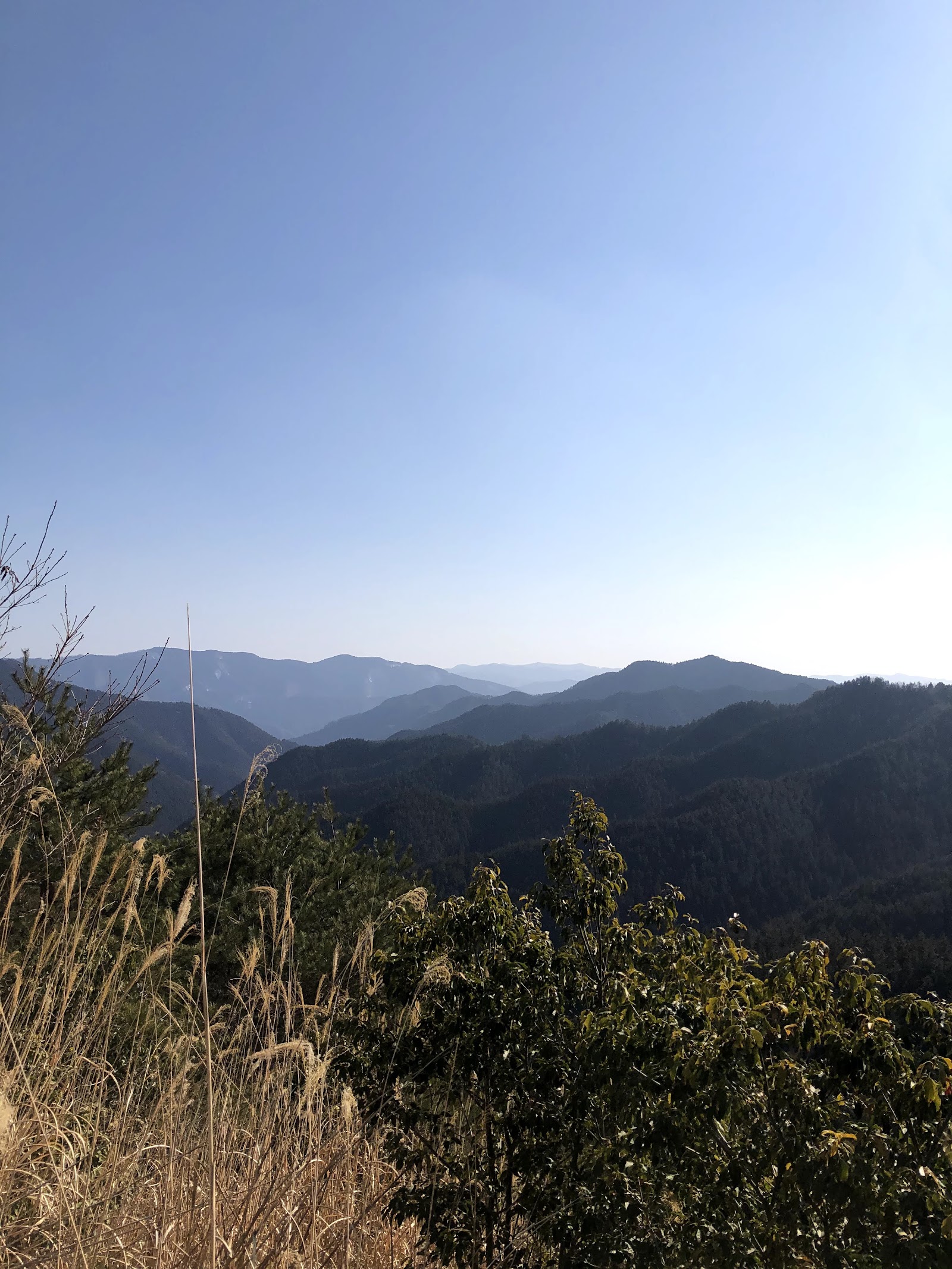
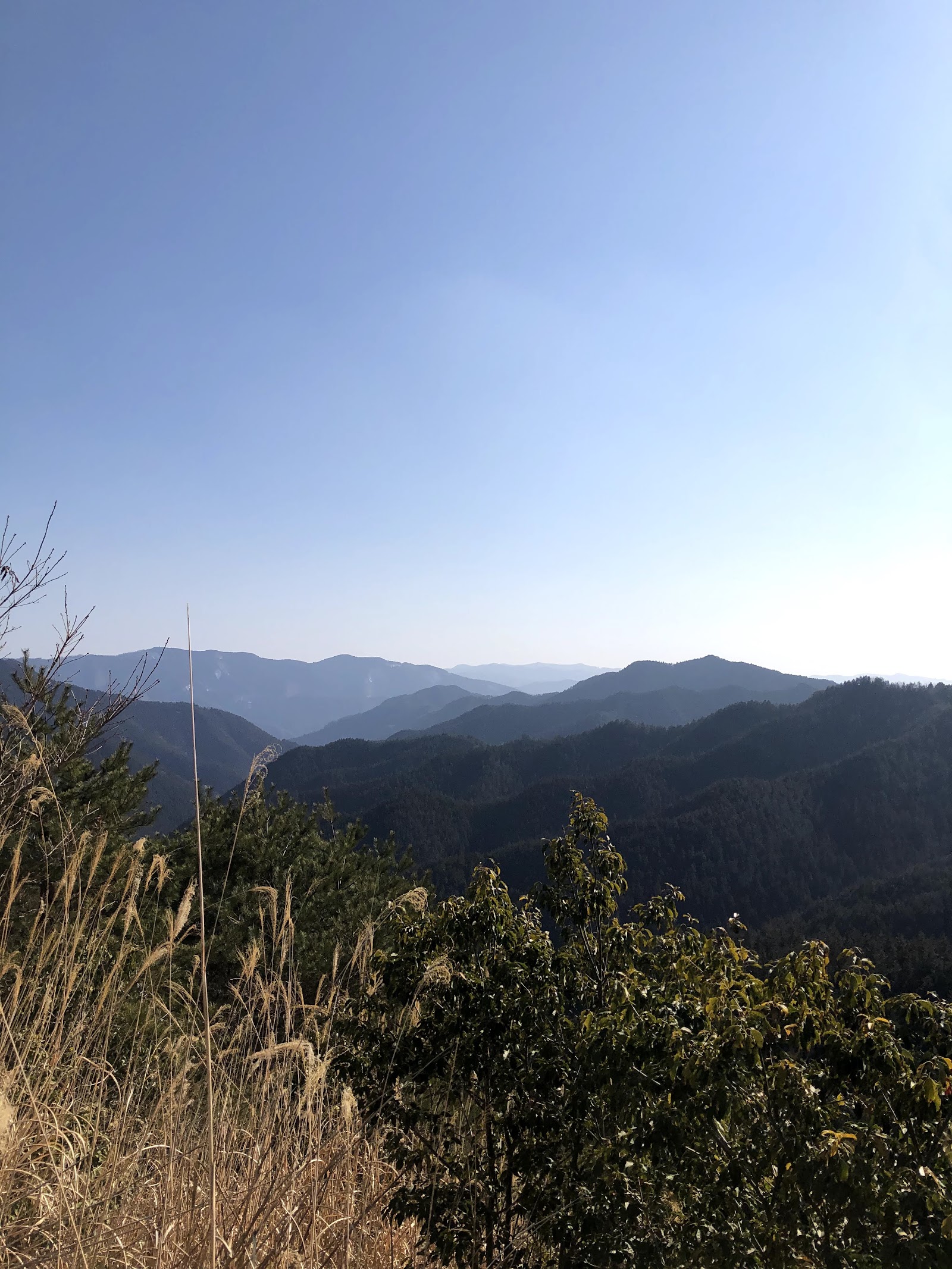
A 984 m forested peak beside the Daimon gate with a small shrine and views over Koyasan's sacred basin.
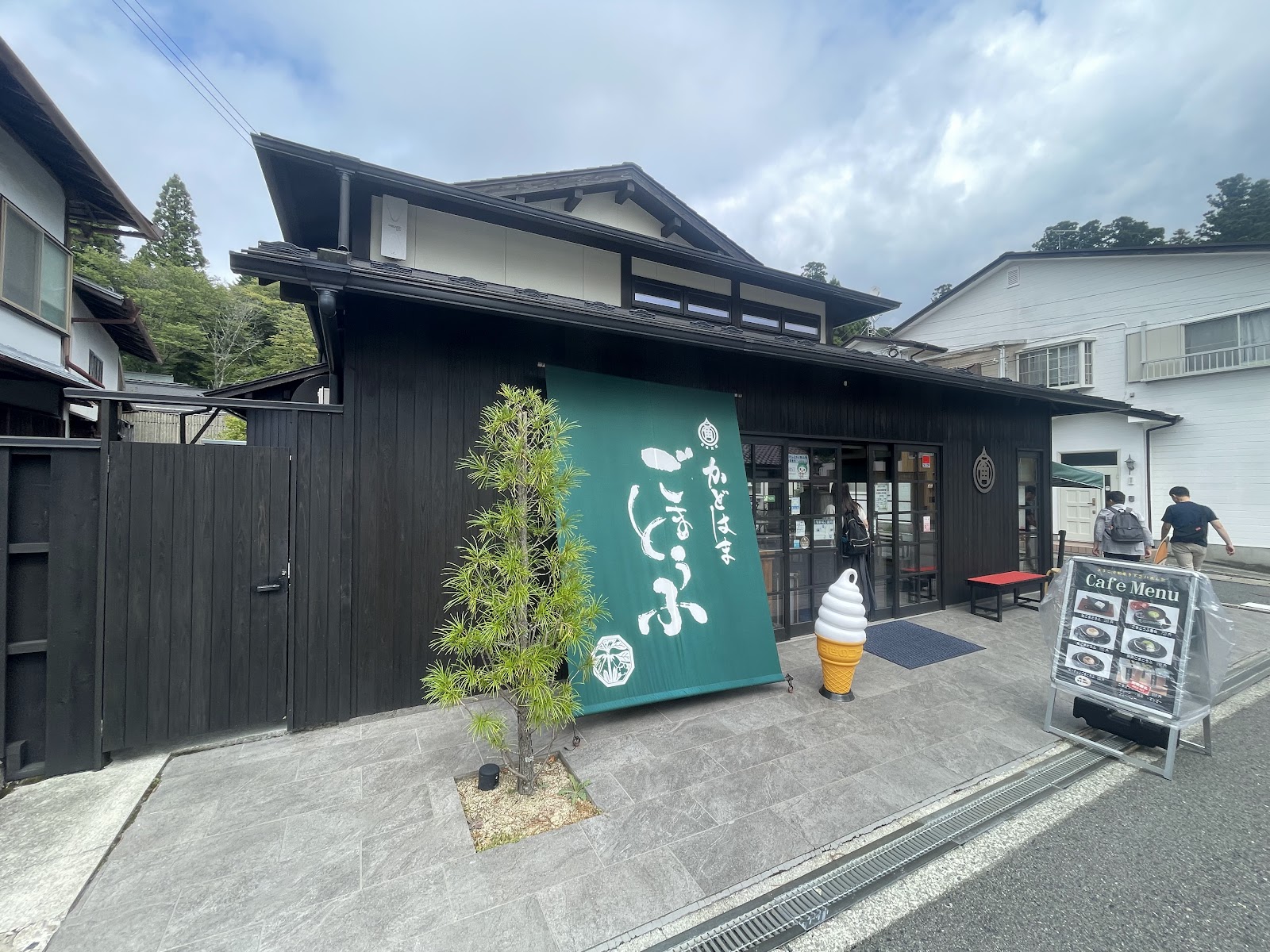
Renowned maker of Koyasan's silky sesame tofu, a cornerstone of the mountain's Buddhist temple cuisine.
A steep 2.5 km old pilgrim path from the cable-car foot up to Koyasan's surviving women's hall.
Historic temple at the foot of the Choishi-michi trail, once the only place women could worship Koyasan.
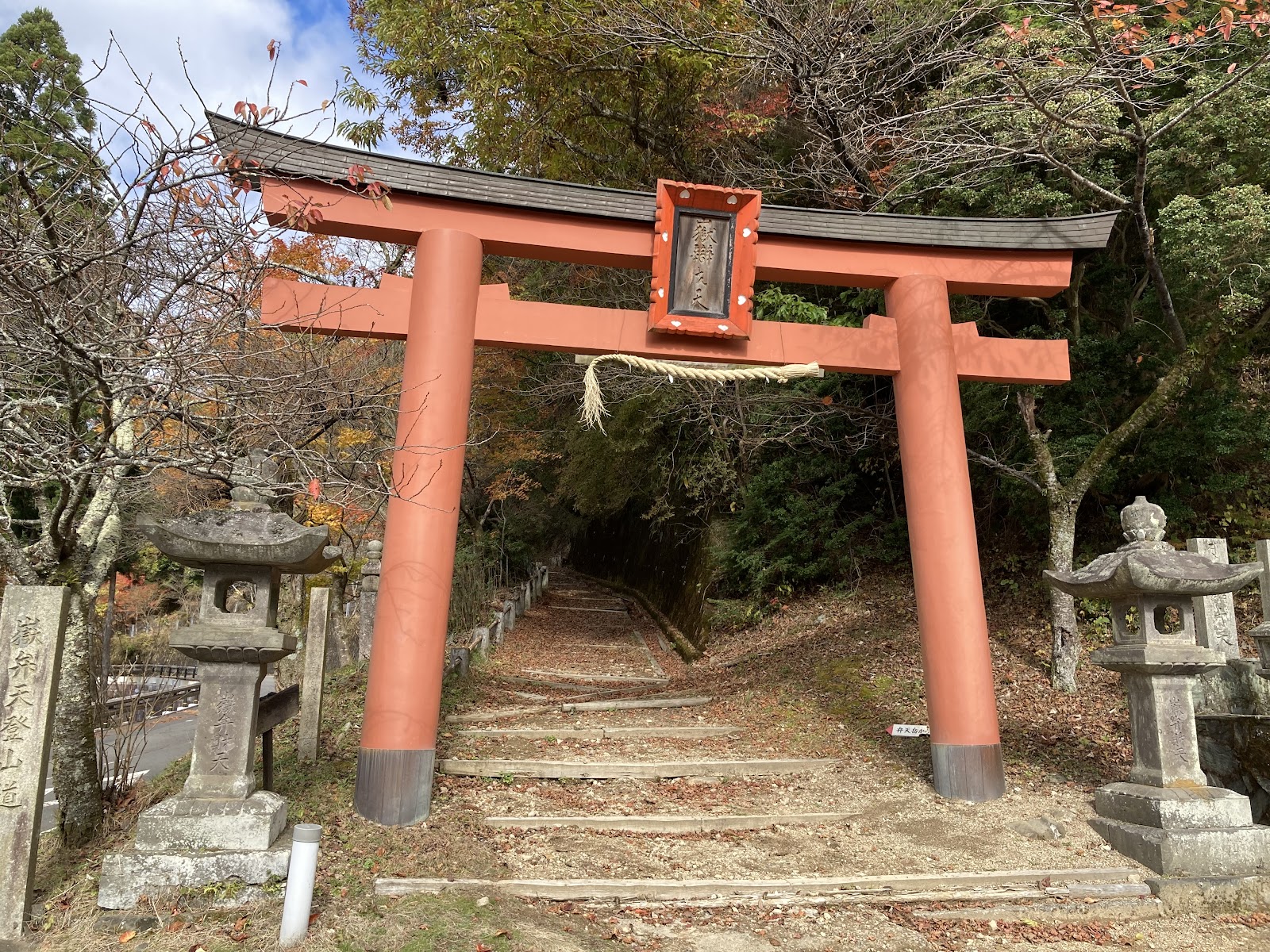
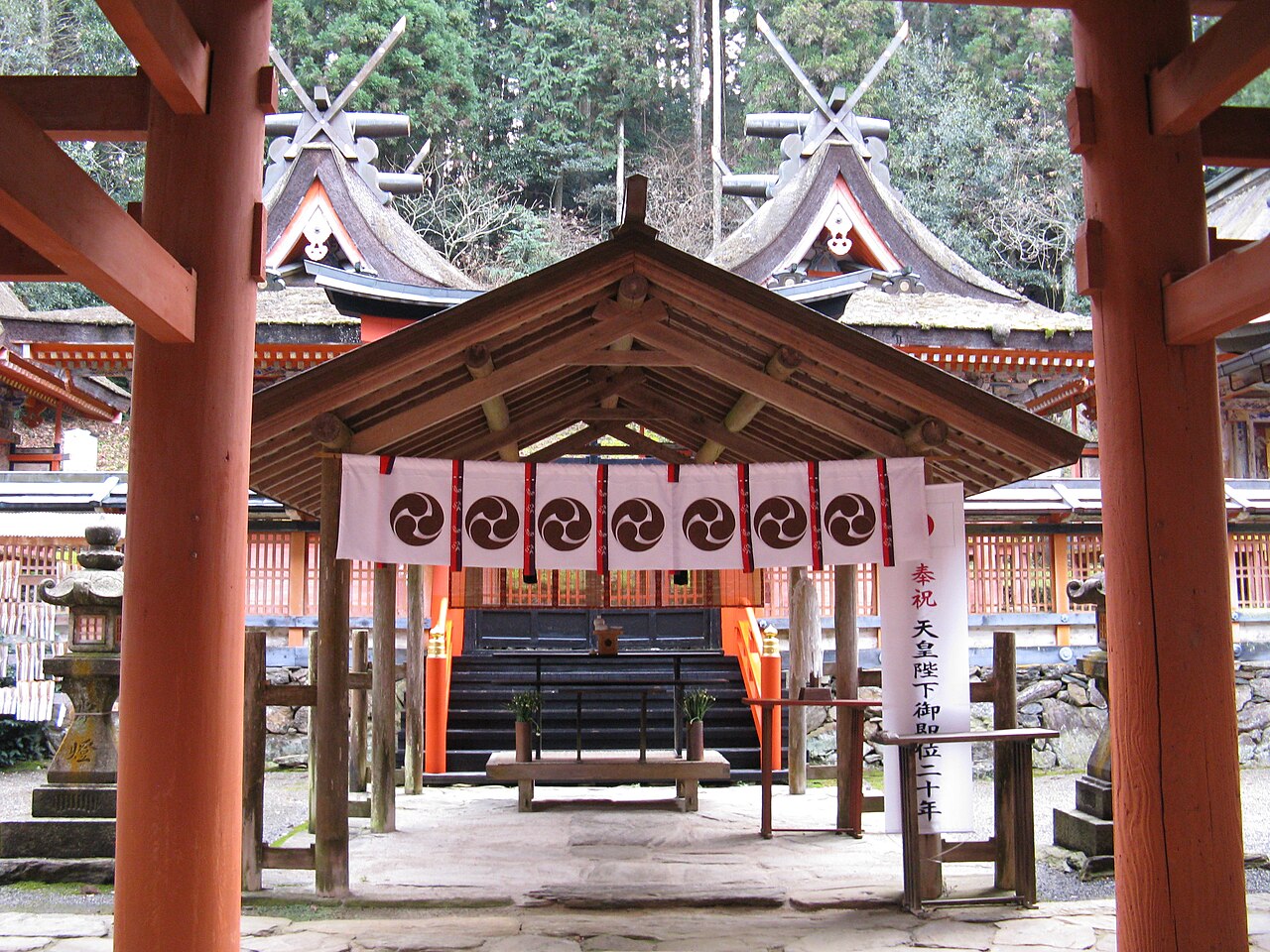
The vermilion Shinto shrine in Amano whose deity granted Kukai the land to found Mount Koya.
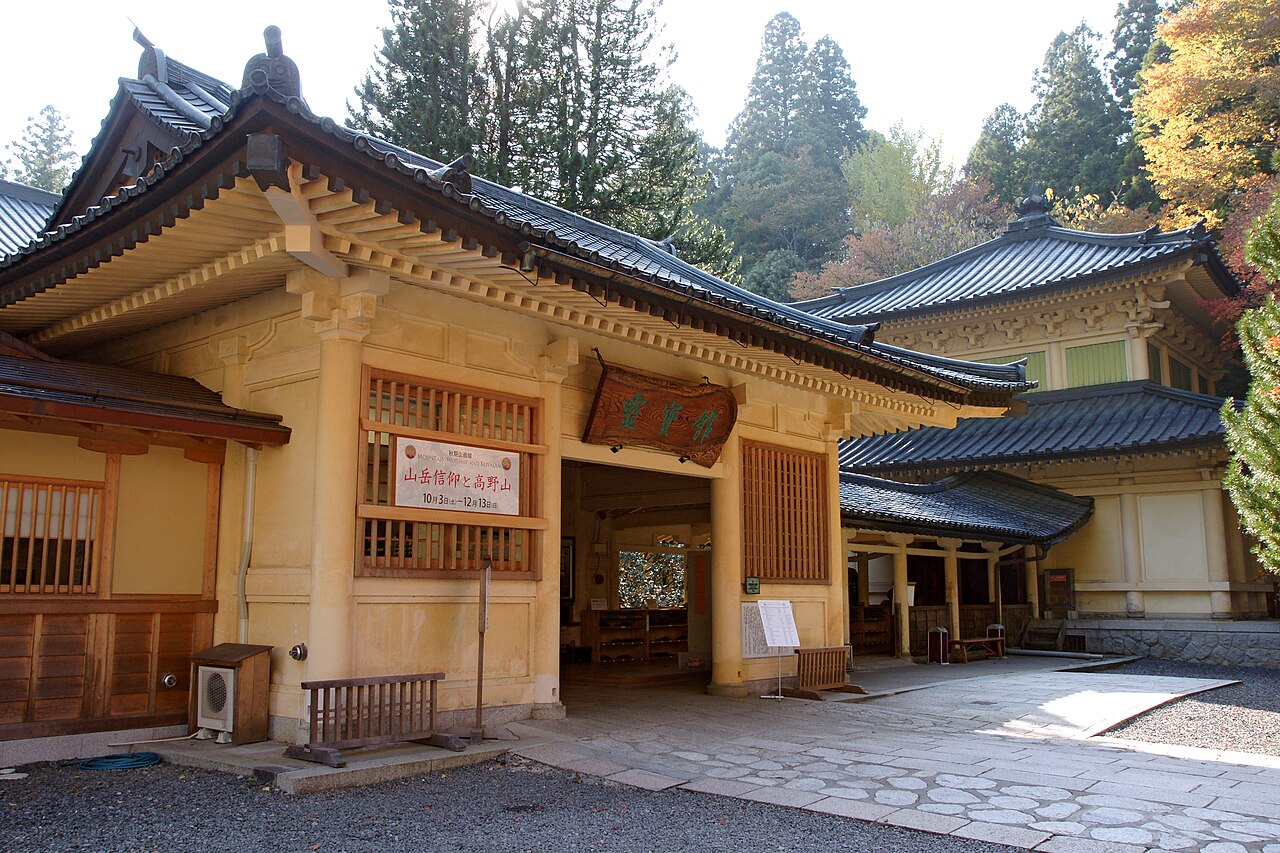
Koyasan’s treasure house, safeguarding thousands of Buddhist artworks including many National Treasures.
A large, historic Koyasan temple lodging beside the entrance to the Okunoin forest cemetery.
A calm central Koyasan temple lodging offering sutra copying, meditation and traditional vegetarian meals.
The luminous Hall of Lamps before Kukai's mausoleum, where thousands of lanterns burn without pause, two said to have stayed lit for nearly a thousand years.
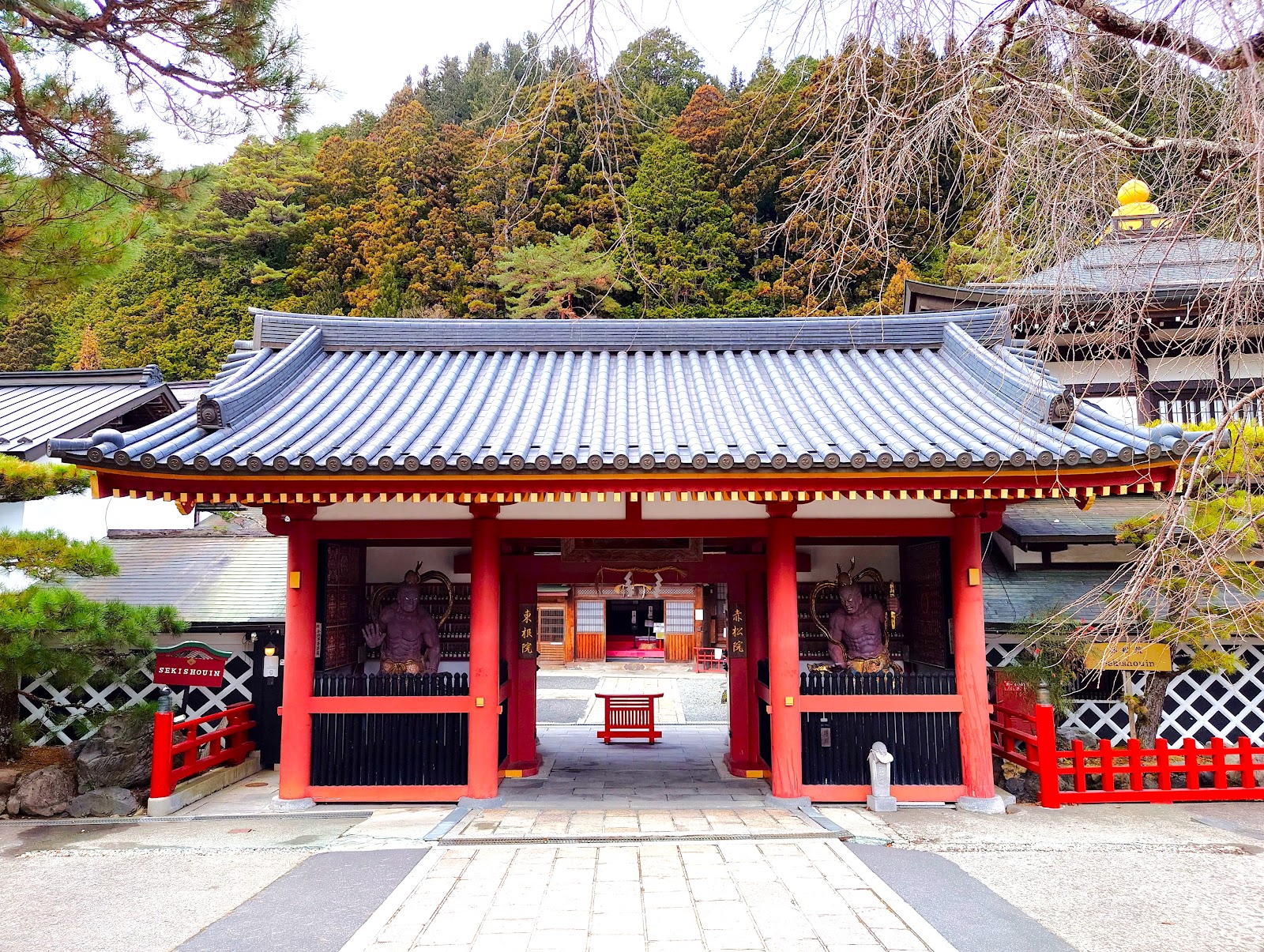
The largest temple lodging on Mount Koya, with celebrated modern gardens and the mountain's only natural hot-spring bath.
A historic temple lodging near Danjo Garan, home to a renowned Mirei Shigemori stone garden protected as a cultural property.